✅ Medically reviewed
Types of knee pain differ by location, trigger and speed of onset. Each pattern points to different structures inside the joint. The knee is a hinge built from bones, cartilage, ligaments and tendons. A fault in any one part produces its own signature ache.
Versus Arthritis estimates that 5.4 million people in the UK live with knee osteoarthritis. Many more adults deal with short-lived pain after sprains, strains or heavy activity. Sorting symptoms into clear patterns makes the next step easier. That step may be rest, exercise or a specialist visit.
Pain is a signal, not a verdict. Location, timing and triggers all carry information. Two minutes spent noting those details can save weeks of guesswork. Doctors ask about the same details during an assessment.
How Knee Anatomy Shapes Different Pain Patterns
Knees carry full body weight all day without complaint, until one files a formal objection. Several structures decide how the joint behaves, and each fails recognisably.
Bones And Cartilage
The thighbone, shinbone and kneecap meet to form the joint. Smooth cartilage coats the bone ends and lets them glide with little friction. The meniscus sits between the bones as a rubbery shock absorber. Worn cartilage produces a deep ache that builds slowly. Cartilage damage also brings stiffness and reduced movement over time. Bone problems, such as stress injuries, cause pain that worsens with weight-bearing.
Ligaments And Tendons
Ligaments hold the bones together and keep the joint steady. Four main ligaments share that job. The ACL and PCL sit inside the joint, while the MCL and LCL sit on the sides. Tendons connect muscle to bone and power every step. Irritated tendons burn and throb. Torn ligaments cause sudden pain and a loose, wobbly feeling.
Muscles And Surrounding Tissue
Muscles act as the knee’s shock absorbers and steering system. The quadriceps, hamstrings and hip muscles control how the kneecap tracks. Weak muscles around the knee force the joint to work harder. Tight muscles pull the kneecap off its path. Both problems create pain without any structural damage.
Types Of Knee Pain By Location
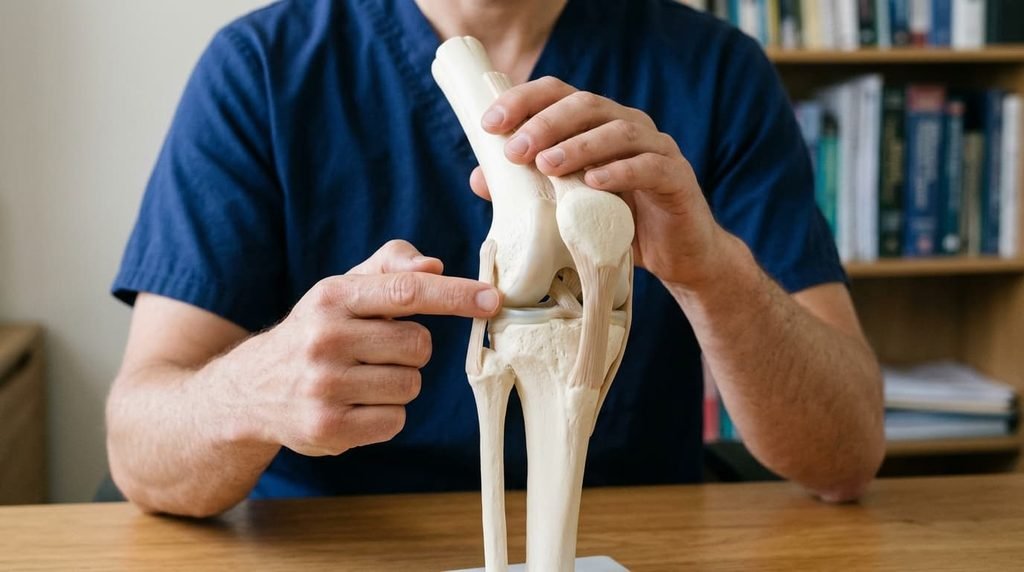
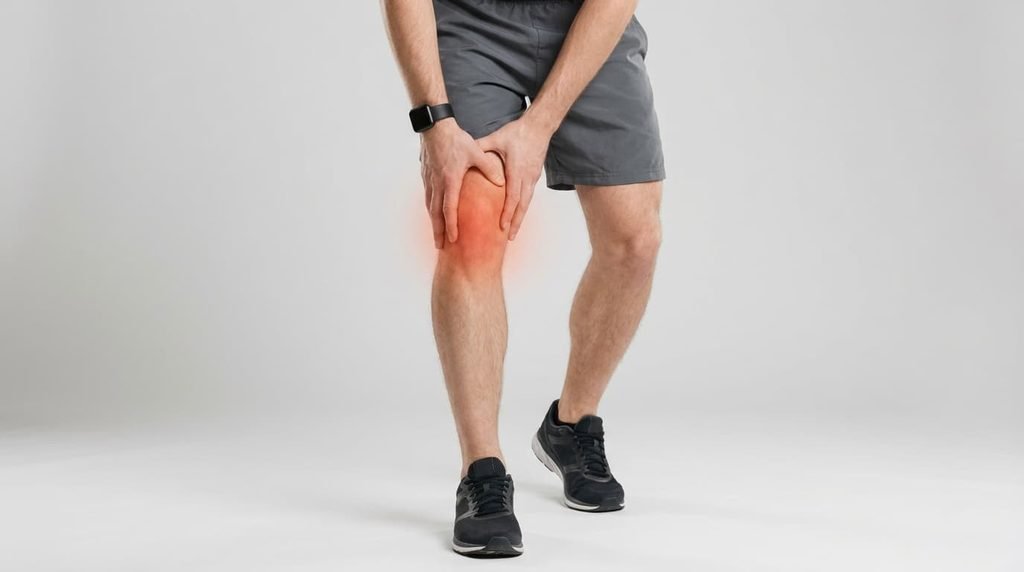
Location is the quickest clue to the cause. Among the types of knee pain, four zones cover most complaints: front, outer, inner and back.
Front Knee Pain
Front knee pain usually centres on the kneecap or the tendon below it. Runners, cyclists and jumpers report it most often. Patellar tendonitis causes a sharp ache just under the kneecap. Patellofemoral irritation brings a duller ache that worsens after long periods of sitting. Climbing hills and deep squats tend to aggravate both. Early patellar tendinopathy usually responds to adjusted training load and targeted strengthening.
Outer Knee Pain
Pain on the side of the knee often starts at the iliotibial band on the outer edge. The band is a thick strip of tissue running down the thigh. Iliotibial band (IT band) syndrome causes a sharp, burning ache on the outside of the knee. Cyclists and long-distance runners meet it often. The pain tends to strike at a predictable point in every run. Hip strength work and shorter strides frequently help.
Inner Knee Pain
Inner-knee pain more often points to an MCL sprain or a medial meniscus problem. The medial collateral ligament resists sideways force. A twist or a blow to the outer knee can strain it. Tenderness along the inner joint line is typical. Inner pain that follows a twist deserves attention, not a shrug. Mild sprains heal with protected movement, while higher grades need specialist input.
Pain Behind The Knee
Pain behind the knee is less common. Typical causes include a fluid-filled cyst, a hamstring strain or a meniscus problem. Swelling at the back often reflects fluid from an irritated joint. Calf swelling with warmth and redness needs urgent assessment, because a blood clot is possible.
What Pain Quality And Timing Reveal
Pain has character. Describing it precisely helps doctors narrow the cause. Phrases such as “it just hurts” rarely help anyone, including the knee.
Sharp And Stabbing Pain
Sharp pain that strikes at a specific movement often signals a mechanical problem. A torn meniscus or a loose fragment can catch the joint mid-step. Sharp pain after a fall may signal a fracture and needs same-day imaging.
Dull And Aching Pain
Dull, deep aching usually points to wear or overuse. It builds across the day and settles with rest. Arthritic joints often ache at night after a busy day. Muscle fatigue produces a similar but shorter-lived ache. Pain that eases with gentle movement but returns after rest often reflects arthritic stiffness.
Burning And Throbbing Pain
Burning pain often follows irritated tendons or nerves. Throbbing suggests inflammation with increased blood flow. Heat and swelling alongside throbbing deserve a closer look.
Grinding And Clicking
Grinding under the kneecap often reflects rough cartilage surfaces. Clicking without pain is common and usually harmless. Clicking with pain or swelling is a different matter.
Acute And Chronic Timelines
Acute pain appears suddenly and often follows a clear event. Pain lasting beyond three months is classed as chronic. Chronic pain may involve wear, ongoing inflammation or changes in how the nervous system processes signals. Time matters because early problems are usually simpler to treat than long-standing ones.
Common Knee Pain Causes From Overuse To Wear
Types of knee pain also split by cause, and cause shapes treatment. Four broad groups account for most cases.
Overuse And Tendon Irritation
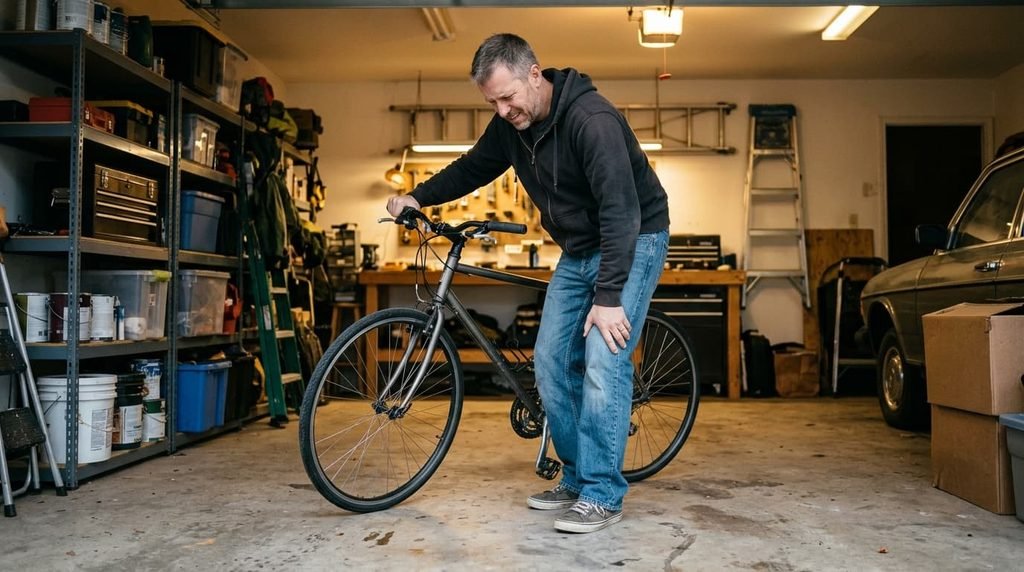
Repetition irritates tendons. A sudden jump in training is the classic trigger. Knee tendinitis causes a tight, throbbing ache that eases with rest. The pain often worsens on stairs or during squats. Knee pain after running typically appears in the final miles or that evening. Easing off the offending activity settles many mild cases within a couple of weeks. Ice after activity and a compression sleeve can ease soreness while the tendon recovers.
Sudden Injury
Sudden sharp pain with a pop signals possible structural damage. A popping sound in the knee with quick swelling calls for an urgent check. A giving-way feeling suggests an ACL tear. Meniscus injuries behave differently. Torn meniscus symptoms may start mildly, then swelling builds over two or three days. The joint may catch when turning a corner or leaving a car. Examination and imaging confirm the diagnosis.
Wear And Tear
Osteoarthritis is the most common slow-onset cause. Cartilage thins gradually, so the pain starts mild and grows over months. Stiffness after rest and aching at the end of the day are typical. Both knees are often affected. Knee pain with no injury, especially after 50, deserves a check for arthritis. Bony enlargement and a grating feeling may appear later. Video explainers on osteoarthritis are available on the Dr SNA Clinic YouTube channel.
Inflammatory And Crystal Causes
Some pain comes from inflammation inside the joint rather than mechanical wear. Rheumatoid arthritis typically affects both knees, with warmth, swelling and prolonged stiffness. Gout can strike a knee suddenly, with intense pain, redness and heat. Infection is rarer. A hot, red, swollen joint with fever is an emergency. These causes need blood tests and a proper diagnosis, not guesswork.
Kinds Of Knee Pain Linked To Everyday Movements
Everyday movements expose further types of knee pain, because each action loads the joint differently. Tracking the trigger often narrows the cause.

Pain When Bending Or Squatting
Knee pain when bending often points to the kneecap joint or the meniscus. Deep squats, kneeling and low sofas make it worse. A catching sensation alongside the pain suggests a meniscus problem. The knee protests loudest at the exact moment a dropped phone needs retrieving.
Pain On Stairs
Knee pain going up stairs usually involves the front of the knee. The kneecap takes a heavy load with each step. Descending shifts the strain to the tendons and thigh muscles. Pain on the way down often reflects tendon irritation or early wear. Weak thigh muscles make both directions harder.
Pain After Sitting
Joints stiffen when still. That explains the morning stiffness common in older adults, which eases after a few minutes of walking. Knee pain after sitting for long periods may also signal kneecap irritation. Standing up and stretching every half hour helps.
How Age And Activity Change The Pattern
Age and activity level tilt the odds toward certain problems. The same ache can mean different things at 25 and at 65.
Active Adults Under 40
Younger adults mostly report overuse and injury pain. Sports that involve jumping, pivoting or heavy squats dominate the history. Kneecap and tendon problems are common. Ligament injuries cluster around football, netball and skiing.
Midlife Runners And Gym-Goers
Between 40 and 60, tendons lose some elasticity and recovery slows. Weekend warriors find this out the morning after a five-a-side match. Meniscus tears become easier to provoke with simple twisting. Strength work protects the joint through these years.
Knee Pain Over 50
Knee pain over 50 is more often degenerative than traumatic. Versus Arthritis reports that women make up over 60 per cent of people with osteoarthritis. Weight, previous injuries and family history all raise the risk. Early assessment opens more treatment choices.
Warning Signs And When To See A Doctor For Knee Pain
Some types of knee pain need prompt care. Most settle with simple home measures, but certain signs justify a professional opinion:
- A swollen knee that does not improve within a few days
- Knee catching or locking during movement
- An unstable knee that gives way
- Severe pain after a fall or twist
- Pain that persists or worsens over several weeks
- Heat and redness with fever, which needs same-day care
A swollen knee after injury suggests bleeding or inflammation inside the joint. An unstable knee often follows a ligament tear, so early assessment protects the joint from further damage. Delay rarely helps a locked knee. Night pain that wakes the sleeper, or pain without relief at rest, also merits assessment. Knowing when to see a doctor for knee pain prevents small problems from becoming long ones.
Treatment Options For Different Knee Pain Patterns
Treatment for different types of knee pain follows the cause, not just the symptom. Matching care to cause avoids wasted effort.
Home Care In The First Days
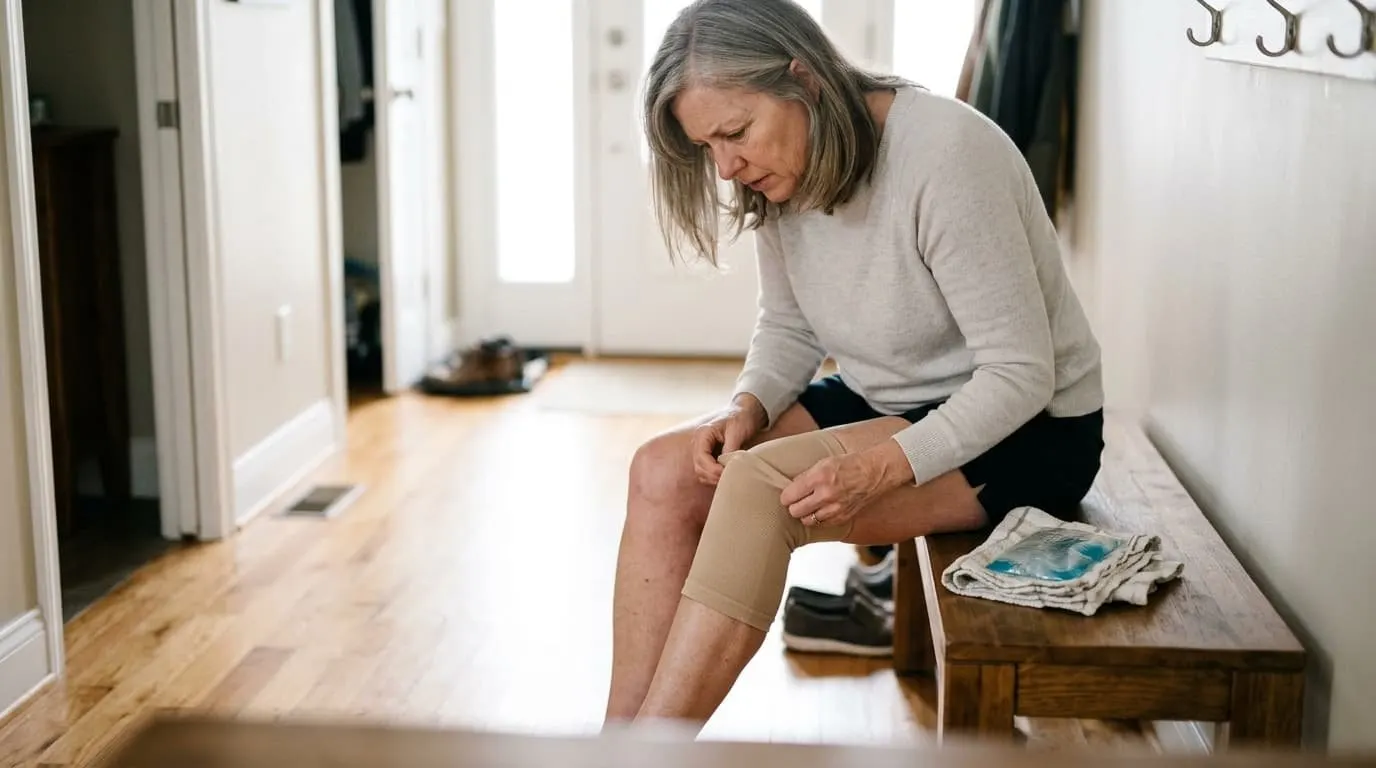
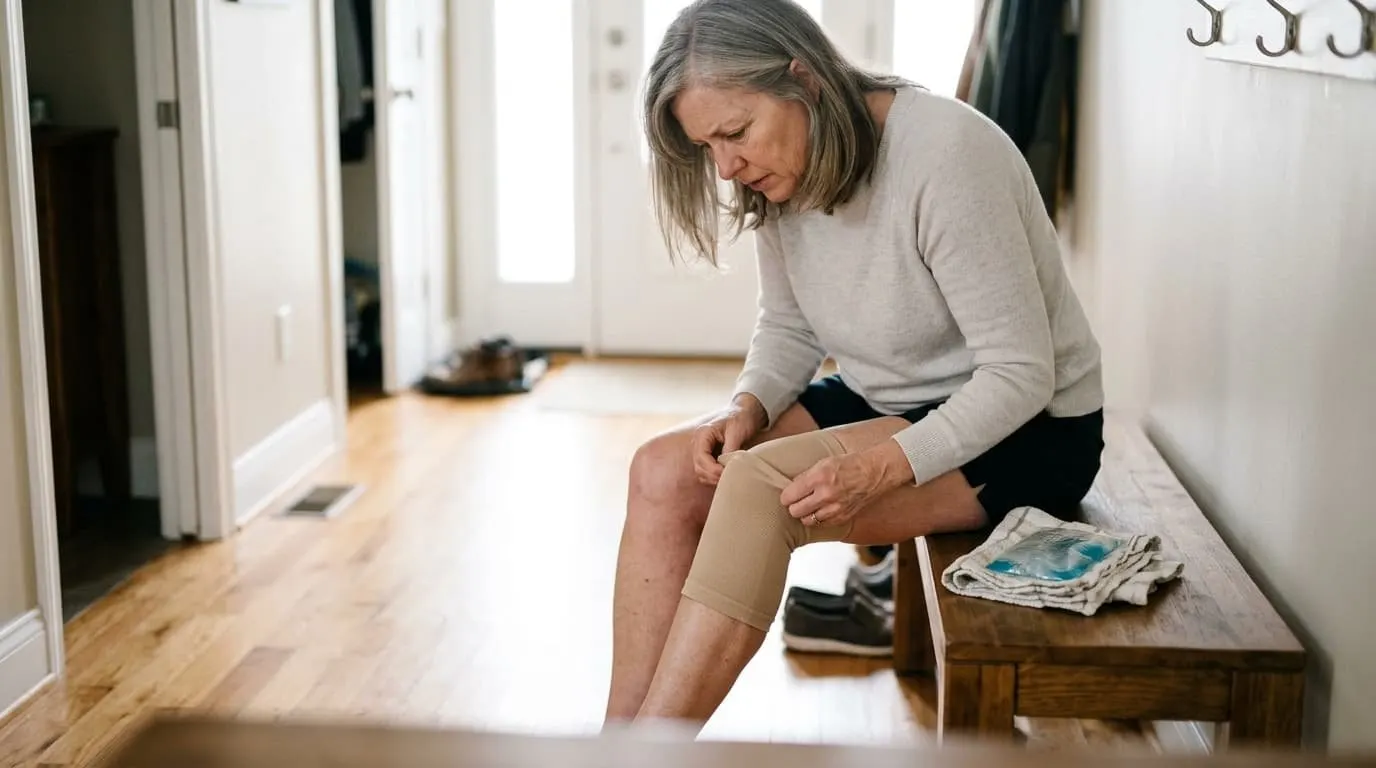
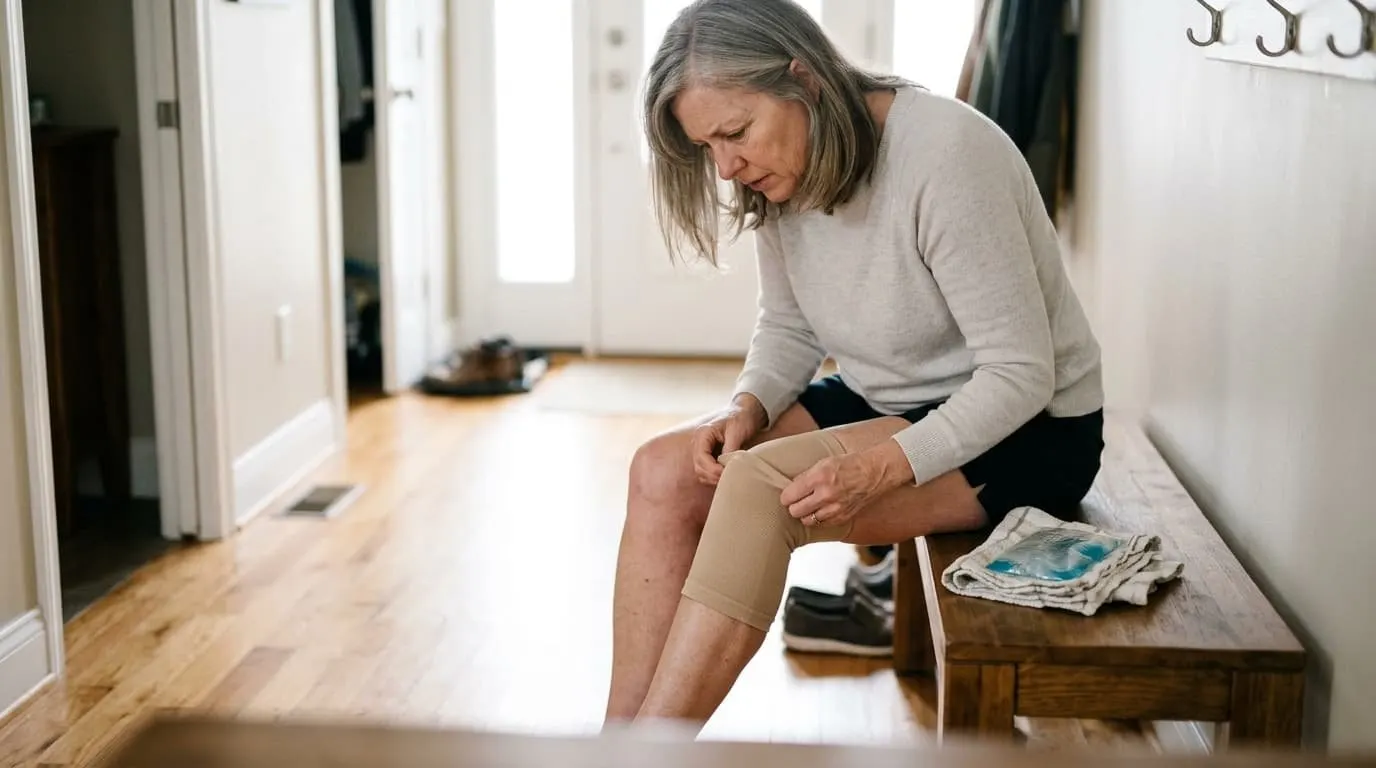
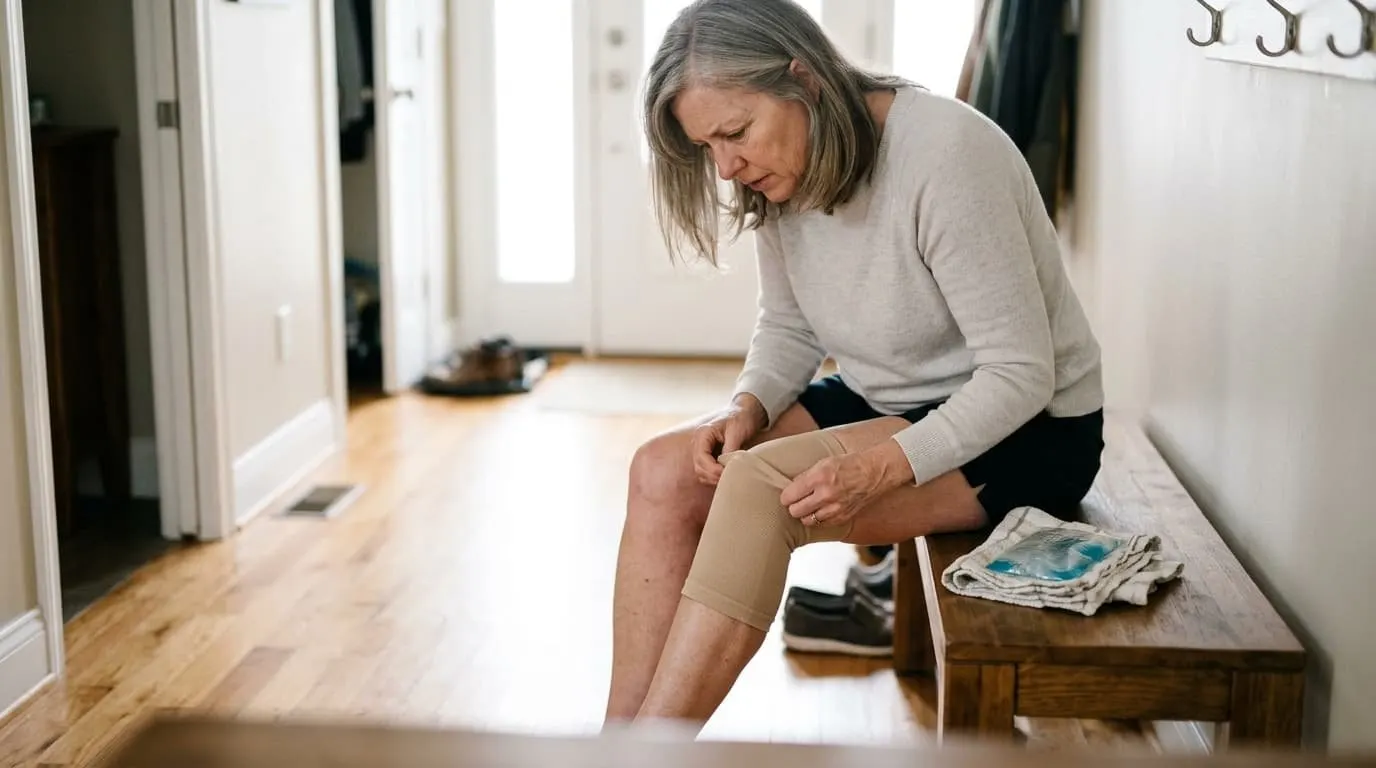
Early home care suits mild injuries without major swelling or instability. Relative rest means avoiding painful activity while keeping gentle movement. Ice for 10 to 15 minutes at a time reduces soreness. A compression sleeve and a raised leg help control swelling. Pain that does not ease within a week or two despite this care needs assessment. Heat suits stiffness, while cold suits a hot, puffy joint.
Assessment And Diagnosis
Assessment starts with a history and a physical check of swelling, movement and stability. X-rays show bone changes and joint space. Ultrasound or MRI shows soft tissue. Imaging follows the clinical findings rather than replacing them.
Exercise And Physiotherapy
Mild overuse pain responds to rest, then gradual loading. Strengthening the quadriceps, hamstrings and hips supports the joint. Physiotherapy corrects movement habits that keep irritating the same spot. Typical programmes include straight-leg raises, bridges and step-downs, progressed gradually under professional guidance. Pain during exercise should stay mild and settle soon afterwards. Staying gently active beats complete rest in most cases.
Non-Surgical Options For Osteoarthritis
Non-surgical knee treatment suits many adults with osteoarthritis who want to avoid an operation. Knee injection therapy is one route. A hyaluronic acid knee injection adds lubricating fluid to the joint, and the benefit usually lasts a limited time. Arthrosamid injection is a single-dose hydrogel injection that cushions the joint and aims to reduce pain. Specialists often weigh PRP and Arthrosamid injections against each other. A consultation decides which option suits a particular knee.
When Surgery Enters The Discussion
Surgery becomes a realistic option when severe osteoarthritis causes constant pain and loss of function. Specialists usually try exercise, weight management and injections first. Knee replacement carries recovery time and surgical risks, so timing needs a careful conversation. Mechanical injuries, such as large meniscus tears, may need keyhole surgery sooner.
Habits That Help Prevent Knee Pain
How to prevent knee pain starts with gradual progress. Raising training load slowly gives tendons time to adapt. Warm-ups prepare the muscles before running or sport. Supportive shoes, replaced before the midsole flattens, reduce shock. Strong thigh and hip muscles share the load with the joint. A healthy body weight lowers the force through the knees with every step. Cycling, swimming and other low-impact workouts keep the joints moving without heavy impact.
Rotating activities spreads load across different tissues. Swimming one day and lifting weights the next beats running daily. Sudden surface changes, such as moving from road to trail, deserve a gentle introduction. Pain lingering more than a day after activity shows that load has outpaced recovery.
Frequently Asked Questions
How do doctors group knee pain?
Types of knee pain are usually grouped by location, cause and trigger. Location splits it into front, outer, inner and back pain. Cause separates overuse, sudden injury and gradual wear. Movement triggers, such as stairs or bending, add a further layer.
Does knee pain with no injury always mean arthritis?
No. Weak thigh muscles, overuse and tendon irritation can all cause pain without a fall or twist. Arthritis becomes more likely with age, especially with morning stiffness and evening aching. A specialist assessment confirms the cause.
Is a popping sound in the knee always serious?
No. Painless clicking is common and usually harmless. A pop with sudden pain, swelling or a giving-way feeling needs prompt examination. Delay can allow further damage inside the joint.
How can knee pain going up stairs be eased?
Strengthening the quadriceps and hip muscles reduces load on the kneecap. A handrail and a slower pace help in the meantime. Supportive footwear also reduces shock. Persistent pain deserves a proper assessment.
Is rest or exercise better for knee pain?
Gentle movement usually beats complete rest. Too much rest weakens supporting muscles and increases stiffness. Pain that sharpens during an activity means that activity should pause. Persistent or worsening symptoms warrant assessment.
Can knee injection therapy help osteoarthritis pain?
Injections help some patients, depending on the stage of osteoarthritis and the product used. Options include hyaluronic acid and hydrogel injections. Adults with chronic knee pain that is not improving often consider non-surgical routes before surgery. A consultation clarifies suitability.
Types of knee pain fall into clear groups by location, cause and trigger. Recognising the pattern guides sensible home care and flags signs that need a medical check. Mr Syed Nadeem Abbas, a specialist in non-surgical knee and joint pain treatment, assesses persistent or unexplained symptoms.
Read more: New Treatments for Knee Osteoarthritis Offer UK Patients a Wider Range of Non-Surgical Pain Relief
Read more: Stiff joints can be caused by inactivity, arthritis, and gout