
✅ Medically reviewed
Arthrosamid Clinic London providers offer a single-injection hydrogel treatment for knee osteoarthritis. Arthrosamid is a single-injection hydrogel treatment for knee osteoarthritis. It targets a condition that gradually wears down the natural cushioning of the joint. The gel is non-biodegradable, so it stays in the knee rather than dissolving within months. That permanence is why choosing the right provider matters. A poorly delivered injection cannot simply be reversed.
Safe treatment depends on a correct diagnosis, ultrasound guidance, sterile technique and honest advice about suitability. Clinics also differ in experience, follow-up and the way they describe approval. Private options range from large hospital groups to independent knee practices. Clear criteria make comparison far easier, and patients who understand the treatment first can judge any provider with confidence.
Arthrosamid Knee Osteoarthritis Treatment Explained
Knee osteoarthritis develops when the smooth joint surfaces thin and the joint lining becomes irritated. Pain, stiffness and swelling follow. Symptoms often worsen after rest, on stairs and during long walks.
Why Knee Osteoarthritis Needs a Treatment Ladder
Care for knee osteoarthritis follows steps. Exercise, strengthening and weight management come first. Pain relief and walking aids support daily activity. Physiotherapy builds the muscles that protect the joint.
Injections sit further up the ladder. Specialists consider them when symptoms persist despite those measures. Surgery, including joint replacement, sits at the top and suits advanced disease.
This structure matters for clinic selection. A provider who jumps straight to the injection has skipped the assessment that makes treatment safe. A provider who explains the whole ladder shows genuine clinical thinking.
How the Polyacrylamide Hydrogel Works
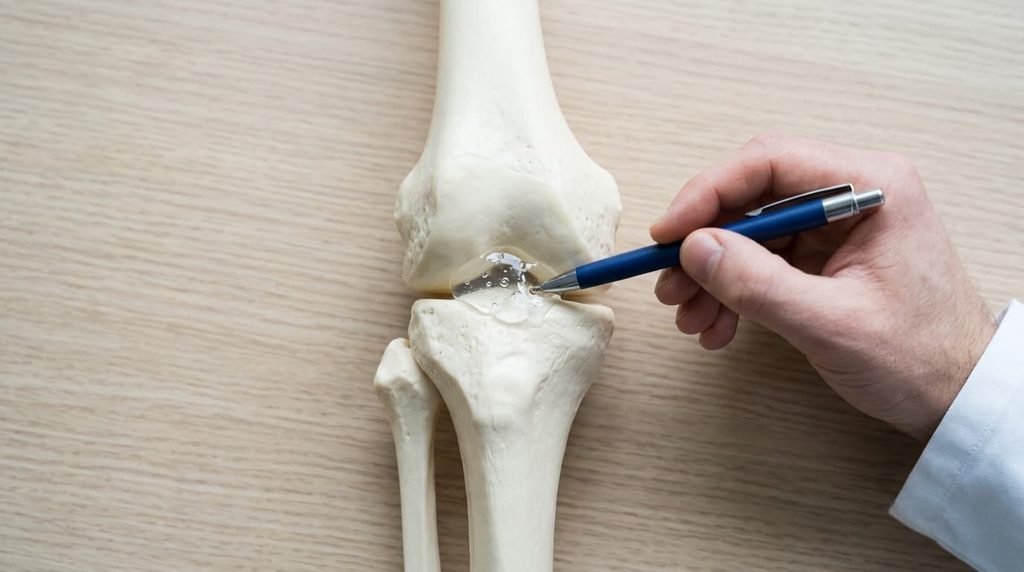
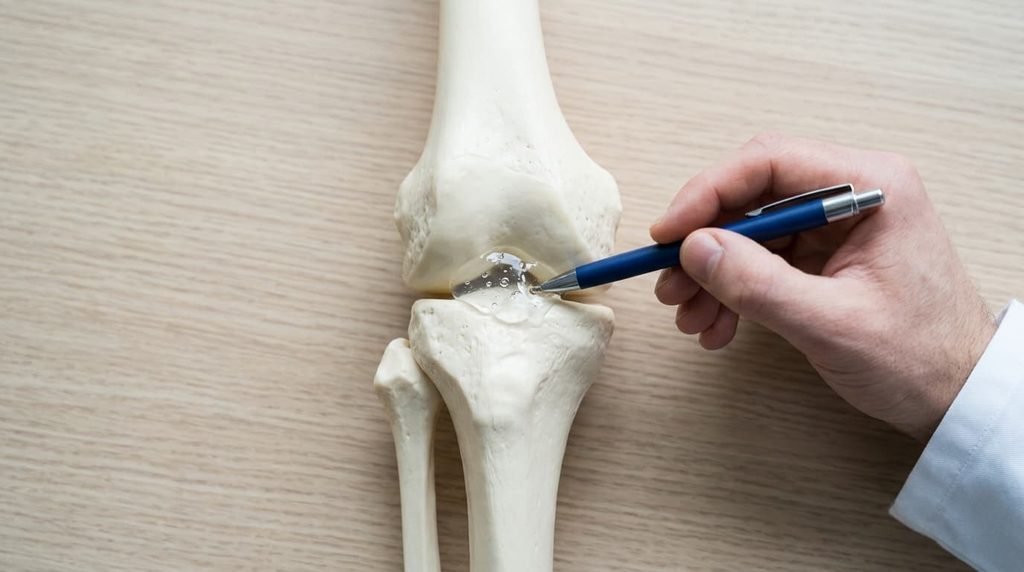
Arthrosamid is a polyacrylamide hydrogel made of 97.5% water and 2.5% cross-linked polyacrylamide. The gel is non-biodegradable, so the body does not absorb it over time. After injection into the joint space, it adds viscosity and cushioning. It also integrates into the synovium, the soft tissue lining the joint.
The hydrogel cushions the joint. It does not rebuild cartilage, and it does not reverse arthritis. Symptom relief is the goal, not repair.
Who May Be Suitable for an Arthrosamid Injection
An Arthrosamid injection suits some knees and not others. Adults with symptomatic knee osteoarthritis who still have pain after conservative care are the usual candidates. A qualified specialist, such as an orthopaedic surgeon or rheumatologist, delivers the treatment.
Several situations call for caution or rule the injection out. Infection near the knee is one. Inflammatory arthritis, such as rheumatoid or psoriatic disease, is another. Poorly controlled diabetes needs specialist review too. Individual assessment settles every case.
Patients who prefer watching to reading can find educational videos on non-surgical joint pain on the clinic’s YouTube channel.
Is Arthrosamid Approved in the UK?
Arthrosamid carries CE marking as a medical device and is available through UK providers. Device marking describes the product, not the clinic. A provider that calls itself approved should explain exactly what that means. Marketing language alone proves little.
Regulators offer firmer reassurance. In England, the Care Quality Commission registers private clinics. Doctors appear on the General Medical Council register, which anyone can search online. Scotland, Wales and Northern Ireland have their own healthcare regulators.
Arthrosamid NHS Access and Private Routes
NHS access remains limited. NICE has not commissioned the injection for routine NHS funding, so most patients self-fund through private care. Some NHS hospitals run private patient units that offer the treatment. Others take part in research studies.
Insurance cover varies between policies. Many insurers do not currently fund the injection. A written confirmation from the insurer before booking prevents unpleasant surprises.
How to Choose an Arthrosamid Clinic London Patients Can Trust
Treatment quality varies more than websites suggest. Five practical checks separate a careful provider from a risky one. A reliable Arthrosamid clinic London patients visit will welcome every one of them.
Arthrosamid Private Clinic Checklist
Check 1: Registration and Credentials
The clinic should appear on the relevant regulator’s register. In England, that means Care Quality Commission registration. The treating doctor should hold a place on the specialist register. Training in orthopaedics, rheumatology or sports medicine is reassuring.
Check 2: Experience With the Injection
Technique influences outcomes, so experience counts. Patients can ask how many knees the clinician has treated. A good answer includes how outcomes and complications are tracked. Vague replies deserve follow-up questions.
Check 3: Ultrasound Guidance
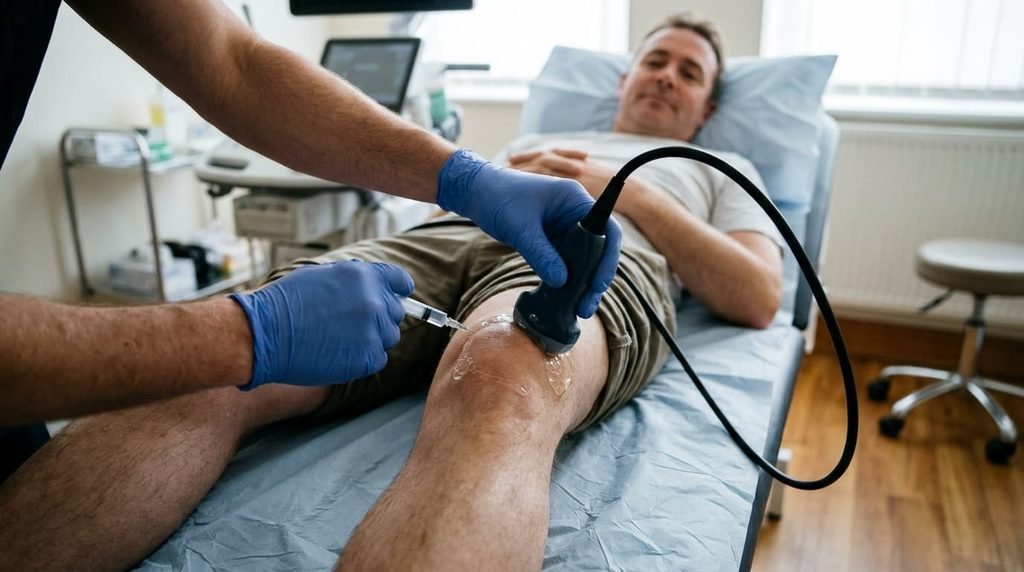
Accurate placement inside the joint space matters. Ultrasound lets the clinician watch the needle and the surrounding fluid. A clinic that injects without imaging should explain why.
Check 4: Infection Control
The hydrogel is permanent, so infection carries more weight than it does with short-acting injections. Sterile technique is non-negotiable. Some clinics give antibiotics beforehand, and policies differ. A good provider explains its protocol openly and without hurry.
Check 5: Honest Suitability Assessment
A responsible clinician examines the knee, reviews imaging and discusses alternatives. Declining treatment when it will not help is a good sign. Promising a guaranteed result is a red flag.
Arthrosamid Clinic London Options: Hospital Groups, Independent Clinics and NHS Units
Hospital groups offer large facilities, theatre-grade infection control and easy access to scans. Appointments may feel more corporate, and the treating doctor can vary.
Independent knee clinics often focus on one condition group. Consultants there may see more hydrogel cases each year, and continuity of care is usually stronger.
Private patient units attached to NHS hospitals combine NHS-level governance with private convenience. Waiting times tend to be short.
Each model works well when the five checks are met. The label above the door matters less than the evidence behind it.
Red Flags Worth Noticing
- Pressure to pay a deposit during the first call
- Claims of guaranteed or permanent pain relief
- No discussion of risks or alternatives
- Reluctance to describe the infection-prevention routine
- Vague statements about approval
Miracle promises belong in fairy tales, not consultation rooms. Any Arthrosamid clinic London patients consider should pass this list without a struggle.
Common Mistakes When Comparing Clinics
Online reviews help, yet a single glowing review proves little. Patterns across many reviews say more. Choosing on proximity alone is another trap. A short journey has little value if the provider rarely performs the procedure.
Rushing is risky too. Reputable clinics allow time for questions and never rely on countdown offers. A calm, unhurried consultation is a quality signal in itself.
Preparing for the Consultation
Patients benefit from bringing previous scan reports, a medication list and details of earlier injections. A short note on pain levels, walking distance and night symptoms helps the clinician judge severity. Written questions prevent forgotten concerns.
Arthrosamid Near Me: Finding Providers Across the UK
Searching for an Arthrosamid injection near me is a sensible start. Search results then need filtering. A search at midnight rarely produces the calmest decisions, so a shortlist built in daylight works better.
Arthrosamid Providers UK: Where to Look
Private hospital groups, independent knee clinics and private wings of NHS hospitals all offer the treatment. Major cities such as London, Manchester and Birmingham have the widest choice. The manufacturer publishes a clinic locator, and verified directories add patient reviews.
Distance matters less than quality for a single-injection treatment. Patients living far from a specialist can ask whether the first consultation can happen remotely. Local physiotherapy can then support recovery close to home.
How to Shortlist Clinics Efficiently
Start with three or four candidates. Check each regulator register first. Read each clinic page for specific details, such as imaging, follow-up and named clinicians. Pages full of slogans and empty of detail deserve caution.
Then phone each shortlisted clinic with the same questions. Comparing answers side by side reveals real differences quickly.
Knee Osteoarthritis Treatment Options Compared
Injections sit within a wider ladder of care. Exercise, strengthening, weight management and pain relief form the base. Walking aids, supports and physiotherapy help many patients too. Surgery, including joint replacement, is reserved for advanced disease.
Arthrosamid vs Steroid Injection
Steroid injections target inflammation. Relief often arrives quickly and may fade within weeks to months. Arthrosamid works differently because the hydrogel adds cushioning and stays in the joint. Steroids may suit flare-ups, while the hydrogel may suit longer-term symptom control.
Arthrosamid vs Hyaluronic Acid
Hyaluronic acid injections add lubrication, yet the body gradually absorbs them. Evidence for their benefit is mixed, and repeat courses are common. Arthrosamid is non-biodegradable and delivered as a single injection. The difference lies in what stays behind in the joint.
Where Exercise and Weight Management Fit
Injections do not replace movement. Strong thigh muscles take load off the knee. Gradual weight loss reduces joint stress where relevant. Physiotherapy after any injection helps restore confidence in the joint.
What Happens During an Arthrosamid Injection London Appointment
Consultation and Assessment
The visit begins with a history and a knee examination. An X-ray or ultrasound scan often follows. The clinician discusses goals, alternatives and risks. Treatment proceeds only if the knee suits it.
The Injection Itself
The skin is cleaned, and local anaesthetic numbs the area. Ultrasound guidance directs the needle into the joint space. The gel is injected slowly. The procedure often takes about 15 minutes and runs as an outpatient visit. A plaster covers the site afterwards.
Arthrosamid Side Effects and Risks
Mild to moderate pain and swelling at the injection site are the most reported effects. These usually settle within days. Manufacturer information reports no serious adverse events in clinical trials to date.
Infection remains a recognised risk of any joint injection. Increasing redness, heat, fever or severe worsening pain needs urgent medical advice. Patients should contact the clinic or seek emergency care without delay.
Arthrosamid Recovery in the First Weeks
Patients usually go home the same day. Driving is not recommended for 24 hours afterwards. Gentle walking is sensible, while strenuous sport returns gradually. Each clinician sets an individual timetable.
Aftercare and Follow-Up
Good aftercare starts before leaving the clinic. Written advice should cover activity, pain relief and warning signs. Many providers arrange a review in several weeks to check progress.
Gentle movement keeps the knee supple. Physiotherapy can rebuild strength once swelling settles. A simple symptom diary makes follow-up conversations far more useful. Notes on pain, swelling and walking distance give the clinician real information.
How Long Does Arthrosamid Last?
Pain relief often builds over the first weeks. Trial follow-up has reported sustained improvement at 12 months. Longer-term data are still emerging, so no clinic can promise a fixed duration. Joint condition, activity and body weight all influence results.
Questions Worth Asking Before Booking
- Which regulator registers the clinic?
- How many knees has the treating doctor injected?
- Is ultrasound guidance always used?
- What is the infection-prevention protocol?
- Which patients does the clinician decline?
- What follow-up does the fee include?
A transparent Arthrosamid clinic London provider answers all six questions without hesitation.
Arthrosamid cost UK varies between clinics. A written quote should itemise consultation, imaging, the product and follow-up. Itemised quotes make fair comparison possible.
Frequently Asked Questions
How long does Arthrosamid last?
Trial follow-up reports sustained pain reduction at 12 months. Longer studies are ongoing, so durations beyond that remain estimates. Individual results vary with joint condition, activity and weight. A clinician can explain realistic expectations after examining the knee.
Is Arthrosamid available through the NHS?
NICE has not commissioned the injection for routine NHS funding. Most patients therefore pay privately. Some NHS hospitals run private patient units that offer it. Insurance cover differs between policies and needs confirming in advance.
What are the common Arthrosamid side effects?
Short-term pain and swelling at the injection site are the most commonly reported effects. These usually settle within days. Infection is a recognised risk of any joint injection. Fever, heat, or rapidly increasing redness needs urgent medical review.
Do Arthrosamid clinic London patients need a GP referral?
Many private clinics accept self-referral, although some request a GP letter. Policies differ between providers and insurers. Checking before booking avoids delays. A GP letter also helps the clinician understand previous treatments.
Is the injection painful?
Local anaesthetic numbs the skin and surrounding tissue first. Most patients describe pressure rather than sharp pain. Some soreness and swelling can follow for a few days. The clinician explains pain relief options before the procedure.
Can the injection treat arthritis in joints other than the knee?
Arthrosamid is currently used for knee osteoarthritis only. Hip, hand and shoulder arthritis need different treatments. Any other use falls outside standard practice.
Does the treatment suit bone-on-bone knees?
Advanced arthritis often needs a different approach. Suitability depends on imaging, symptoms and previous treatment. Some knees with severe joint damage respond poorly to injections. A specialist review of the scans gives the clearest answer.
Who should avoid the injection?
Active infection near the knee rules it out. Inflammatory arthritis, such as rheumatoid or psoriatic disease, usually does too. Poorly controlled diabetes and some other conditions need specialist review. Final suitability always follows a clinical assessment.
Choosing a provider for hydrogel treatment is a safety decision first and a convenience decision second. Registration, ultrasound guidance, infection control, experience and an honest assessment form a reliable filter. Patients who apply these checks can compare clinics calmly and ignore marketing noise.
Mr Syed Nadeem Abbas specialises in non-surgical knee and joint pain care. Booking a consultation is the practical next step.
Read more: Arthrosamid vs genicular nerve ablation comes down to how each treats knee pain
Read more: Patellar Tendinopathy: Causes, Symptoms, Treatment and Recovery